
The Drents Overijsselse Delta Water Authorityhas published the very first algorithm developed by a water authority using IMAGEM. This algorithm was developed for digital inspections. Our solution is the Schouw M.App. The request was submitted to WDODelta by theUnion of Water Authorities (Dutch Water Authorities).
They were looking for a water board that uses an algorithm to serve as a model for other water boards. René Gerritsen is a supervisor/enforcement officer at the Drents Overijsselse Delta Water Board (WDODelta). He led the effort to publish the first water board algorithm, “the Digital Inspection.”
The Digital Inspection
René Gerritsen: “They soon came across our digital audit report; we’ve been promoting it quite a bit over the past few years.” The WDODelta Water Authority got to work. “We’re not the type to say no. And of course, you want to be transparent: we have no secrets about how we work. Besides, publication in the Algorithm Registry will eventually become mandatory anyway.”
He found the publication process fairly straightforward. “I don’t have any technical knowledge of algorithms, but I was able to fill in about 70 percent of the information required for publication on my own.” For the remaining 30 percent, he received assistance from IMAGEM, the algorithm provider. “They were eager to cooperate, but they were also critical. It was important to them not to reveal any trade secrets. Eventually, they also gained confidence: ‘We can do this.’”
No secrets about how we work
He found the publication process fairly straightforward. “I don’t have any technical knowledge of algorithms, but I was able to fill in about 70 percent of the information required for publication on my own.” For the remaining 30 percent, he received assistance from IMAGEM, the algorithm provider. “They were eager to cooperate, but they were also critical. It was important to them not to reveal any trade secrets. Eventually, they also gained confidence: ‘We can do this.’”

What is the digital fireplace?
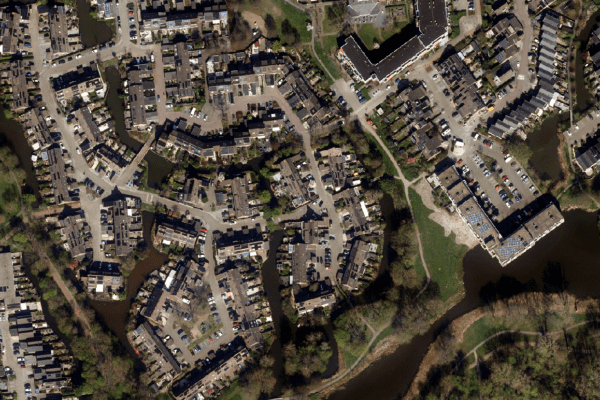
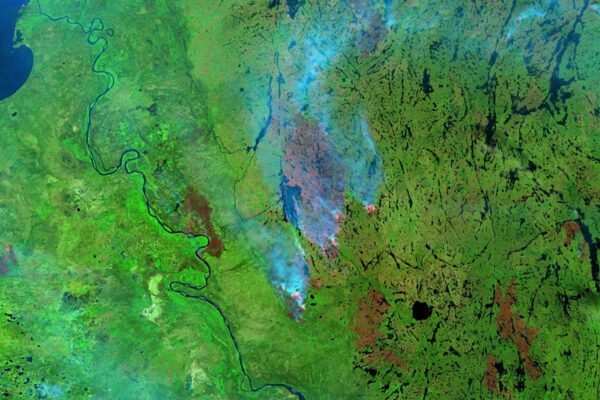
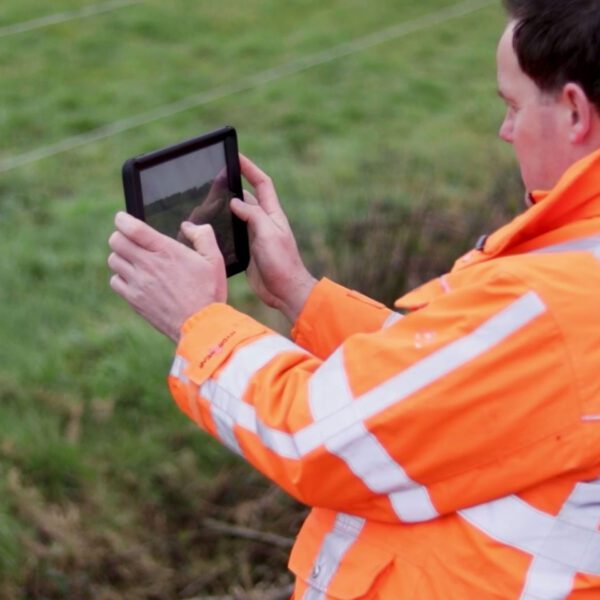
So what exactly is this “Digital Inspection”? “The Water Board monitors the maintenance of ditches. A satellite takes an aerial photo of the area during the period when the ditches are supposed to have been maintained. The algorithm can distinguish in the image which ditches have been maintained and which have not.” People are still involved in the process.
“Enforcement and inspection teams visit the plots where the algorithm indicates that no maintenance has been performed for a physical inspection. Based on those results, a letter is sent to the plot owner, who is responsible for maintenance.” This approach saves a lot of time; previously, the team had to inspect every single ditch. “Questions have been raised about this in the past, including by the board. Is this even allowed? Is this method reliable?” Ultimately, this approach results in less intrusion on privacy,” says Gerritsen. “By now, the initial skepticism has really faded.”
More information
Tjip is a business consultant at IMAGEM. As a consultant, he helps organizations—such as water authorities—find answers and solutions to spatial challenges, where the key lies in the smart application of location intelligence. Want to learn more? Send Tjip an email or message us via our contact form.

Tjip van Dale
Business Consultant