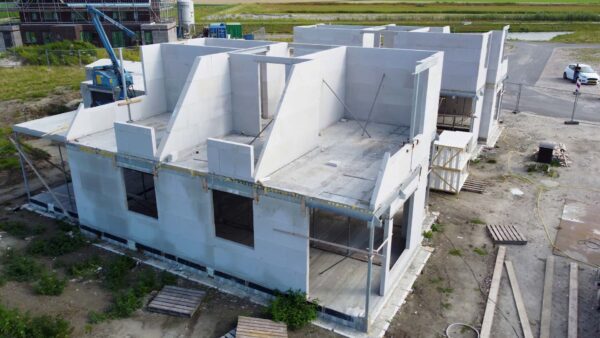
The question isn't whether construction will take place, but how quickly you can make the right decisions
The Netherlands has a significant need for new housing, while available space is limited and requirements regarding sustainability, climate adaptation, mobility, and quality of life are increasing. On average, it takes ten years to develop a housing project, of which only two to three years are spent on the actual construction.
Most time is lost in the preceding phase, which lasts an average of eight years: from the initial proposal to the adoption of a zoning plan or the issuance of an environmental permit. Accelerating area development starts with a smarter approach to the preliminary phase. By adopting a digital and integrated approach to processes, this critical initial phase can be accelerated, creating a solid foundation for subsequent phases sooner.
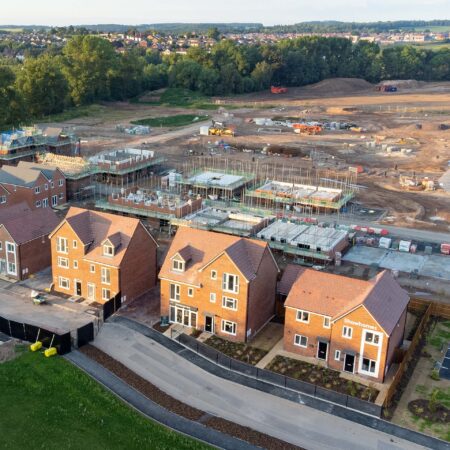
The Netherlands must build approximately 900,000 homes by 2030
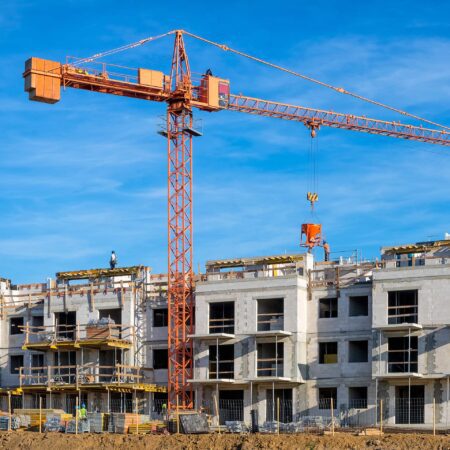
Area development projects often take 10 to 15 years to complete
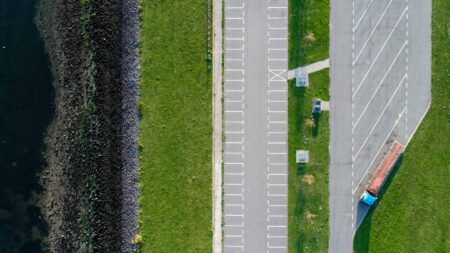
Multiple policy objectives (housing, climate, mobility, health) converge within the same square meter

Inadequate information sharing is a major cause of delays in planning
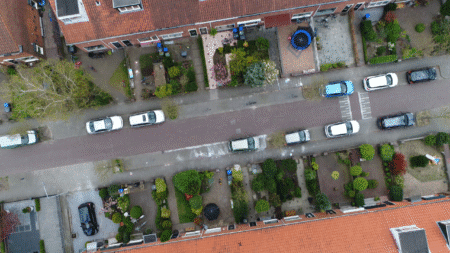
The government is explicitly committed to accelerating housing construction and urban development
The Complexity of Area Development
Area development is a multifaceted process. It involves not only suitable locations and market demand, but also financial feasibility, policy frameworks, public participation, and studies on soil, noise, and ecology. Furthermore, many stakeholders are involved: municipalities, provinces, water boards, developers, consultants, and residents.
In practice, processes often follow a linear, sector-by-sector approach: first, the parameters are defined; then calculations are made; followed by drafting, analysis, and coordination. Each step requires evaluation and decision-making. This traditional process takes time—a lot of time—and is a major cause of long lead times.
The delay is due to the procedures
Research shows that delays are rarely caused by legal procedures themselves, but mainly by the process leading up to these procedures. Ambitions pile up, frameworks are not always clear, and capacity is often limited. A shortage of personnel, a lack of specific knowledge and process experience, and a mismatch with the political rhythm all contribute to projects taking longer than necessary.
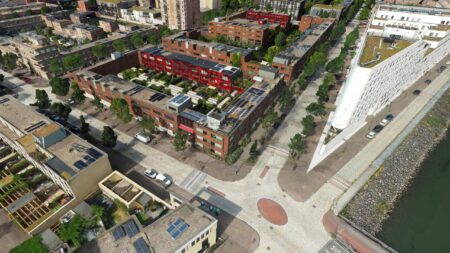
Digitalization as a foundation
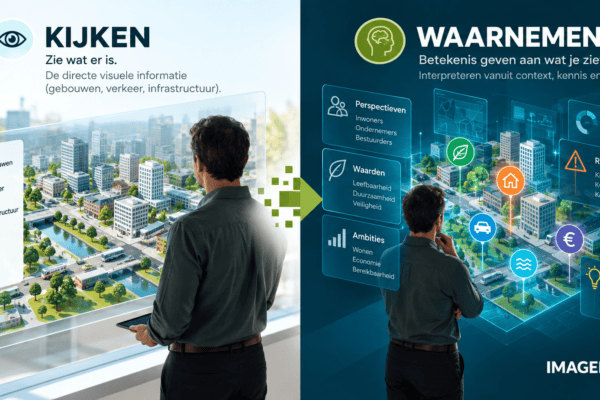
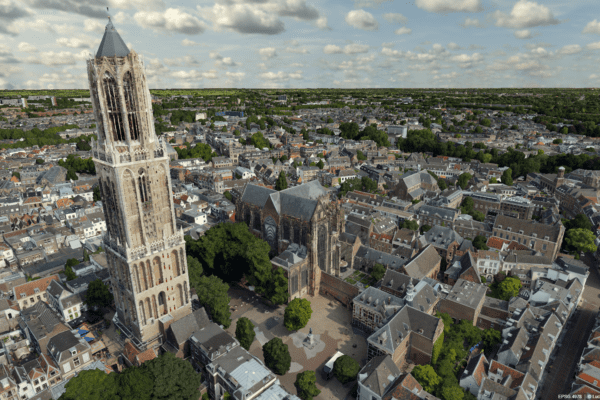
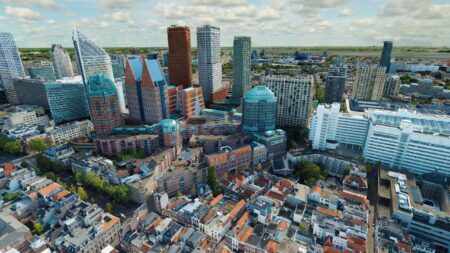
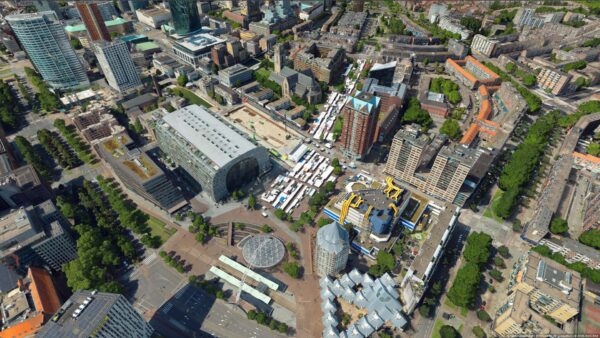
To accelerate this process, a different approach is needed. Digitalization forms the foundation for integrated area development. By creating a digital representation of the area—the digital reality—data from various sources can be directly consolidated and centrally managed.
Soil, noise, air quality, ecology, cables and pipelines, and policy frameworks are integrated into a single environment. This prevents information from being collected manually and reinterpreted, and ensures that all stakeholders work with the same up-to-date data.
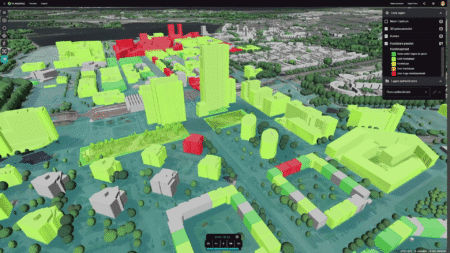
Scenarios and assessment in a single environment
Using parametric design and algorithms, plans can be automatically assessed against applicable regulations. What does a higher density mean for parking, noise levels, or financial feasibility? How does an alternative plan align with policy goals? Scenarios can be quickly simulated and visually presented, providing immediate insight into the consequences of different choices. This allows decisions to be made faster and more effectively.
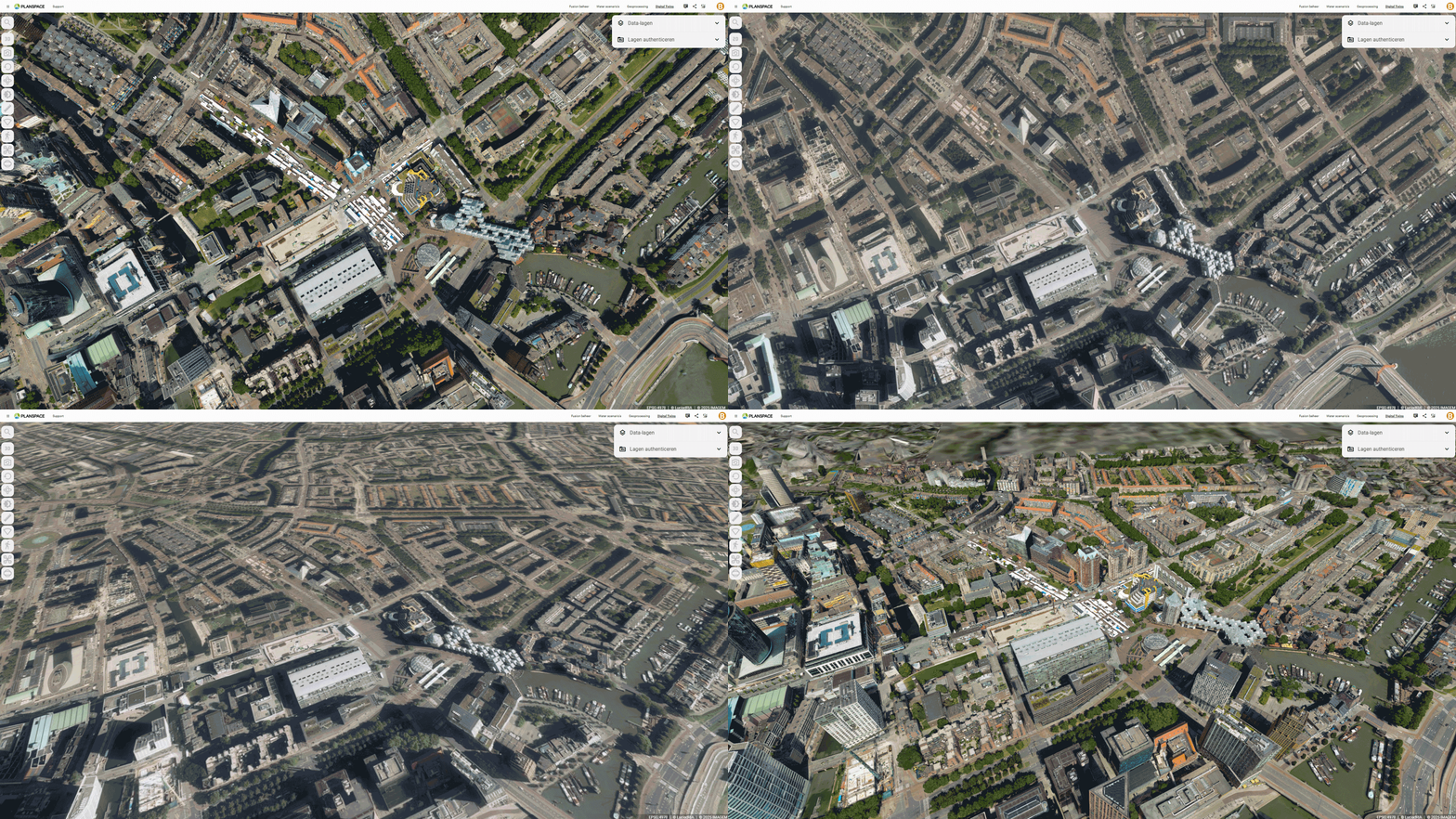
Working in parallel and transparency
Digitization makes it possible to carry out processes simultaneously rather than sequentially. Calculations, design, research, and stakeholder engagement can all take place in tandem. Stakeholders have access to the same information and can more easily choose from well-founded scenarios. This increases both speed and transparency, as well as trust among the parties involved.
Utilizing capacity efficiently
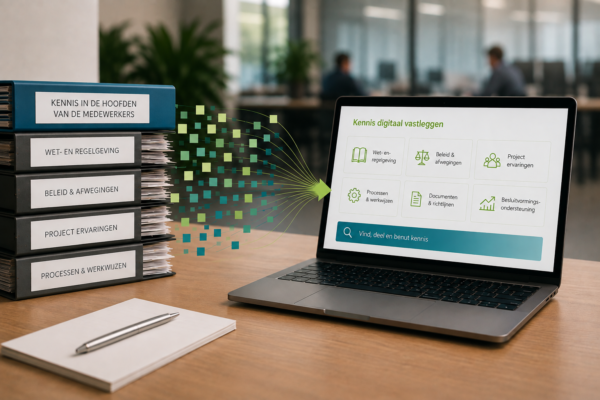
Digitization also helps address capacity constraints. By capturing knowledge in digital models and assessment rules, routine evaluations are automated. Scarce capacity can then be allocated to complex analyses and administrative decisions. Decision-making is better prepared, as decision-makers gain insight into the effects of different options before formal procedures begin.
Data-driven acceleration as a strategic advantage
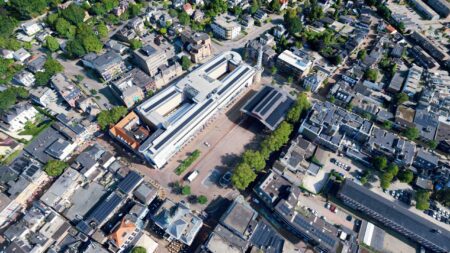
Accelerating urban development isn’t just about faster procedures; it’s about intelligently structuring the entire preliminary phase. By adopting an integrated, data-driven approach from the very start, you can shorten lead times, reduce the risk of delays caused by changing circumstances, and minimize the costs of failure. Digitization truly makes it possible to connect different domains and collaborate based on a single, up-to-date source of information.
IMAGEM acceleration possible
IMAGEM government agencies and private sector partners in this transition. Using a comprehensive approach, experienced professionals, and modern digital technology, we digitize the initial planning and feasibility phases of area development. This allows you to lay a solid, data-driven foundation for every project, turning acceleration from an ambition into a reality.
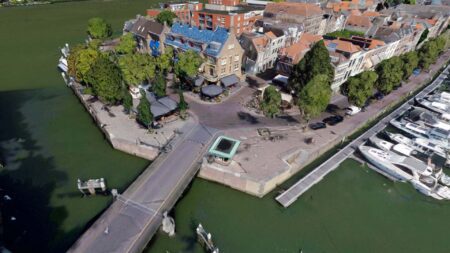
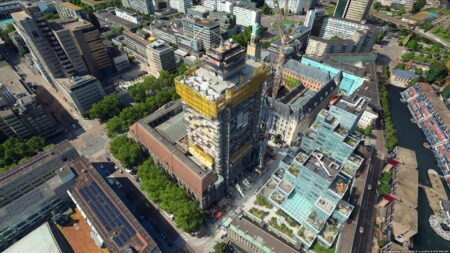
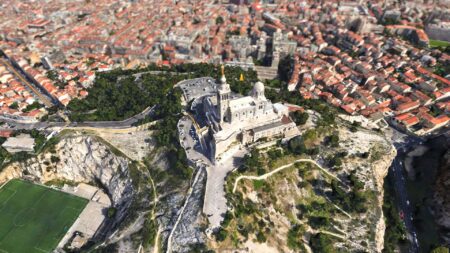
Area Development in Practice
Want to work together on area development?
Every urban development project is unique and requires an approach tailored to the local context. We’d be happy to work with you to ensure your projects remain well-organized and feasible. Feel free to contact us.

Niels van de Graaf
Government Market Manager

Stefan Lijst
Business Consultant