Articles and updates

Would you like to hear our take on current topics, learn about interesting ideas, and more?
Then follow our updates by subscribing to our newsletter.

Filter options

Use the buttons to filter the list of results. The list is updated automatically.

Filter by solution
Filter by theme
Select a filter to narrow down the results. The page will refresh automatically.
Digital Reality, in which the physical environment is connected to people’s experiences and perspectives.
Digital Twin

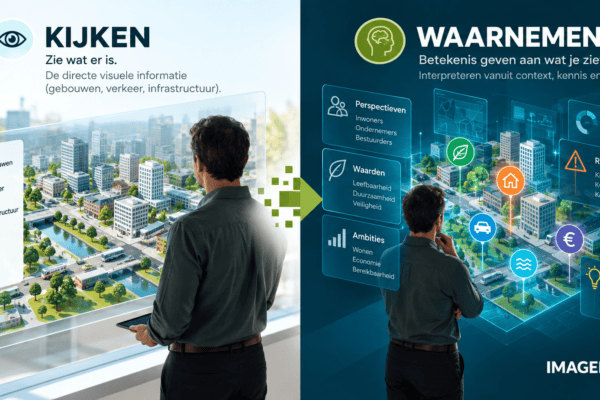
Digital Reality: a " Digital Twin " that incorporates people's perspectives

When it comes to societal challenges, it’s not enough to simply recreate reality digitally. You want to understand what that reality means for the people who live, work, do business, and make decisions within it. And to do that, you have to look beyond the “ Digital Twin.” You need to move toward a “Digital Reality,” one that encompasses not only the physical world but also the human perspective.
Digital transformation in the public sector aimed at safeguarding and making better use of knowledge to enable faster, evidence-based decision-making.
Digital Twin

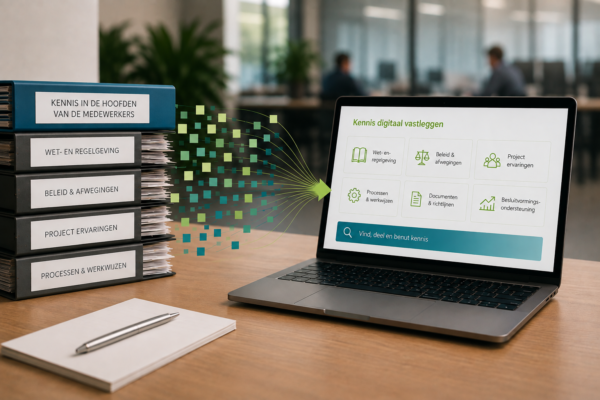
Digital Transformation in Government, Part 1: Preserving and Utilizing Knowledge

Knowledge preservation is about retaining and immediately applying valuable knowledge for work and decision-making. By systematically documenting, linking, and making knowledge accessible, a shared information base is created that helps facilitate faster and better-informed decisions. In this way, knowledge preservation forms an important foundation for digital transformation.

Digital Sovereignty and Freedom of Choice in Technology
Digital Twin

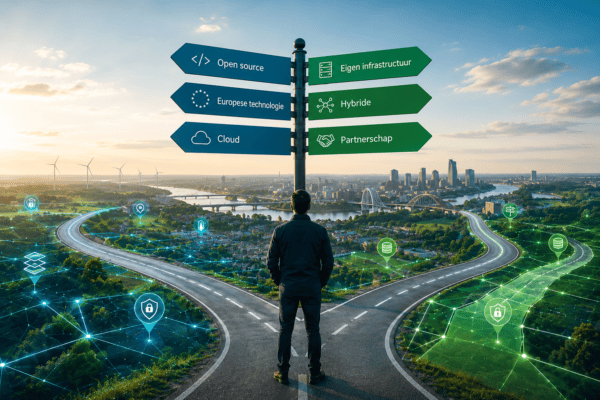
Digital sovereignty begins with the freedom to choose

Digital sovereignty is about the freedom to continue making your own choices regarding data, technology, and infrastructure. By identifying dependencies, diversifying risks, and having alternatives and an exit strategy in place, organizations maintain control. IMAGEM is happy to collaborate with organizations for which autonomy, data security, and continuity are essential.

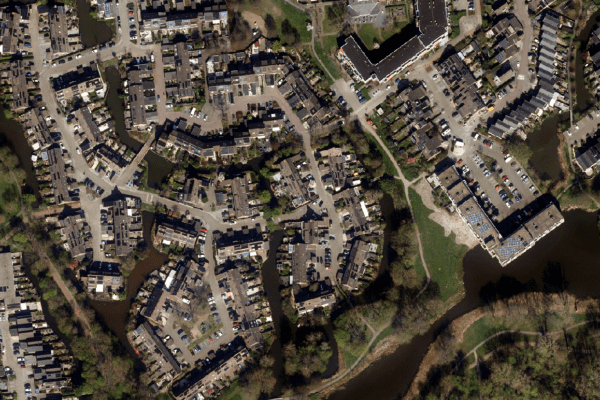
Aerial view of Capelle aan den IJssel illustrating remote sensing, data analysis, and dashboard visualization.
Remote Sensing

Remote sensing 5: From Data to Dashboard in Capelle aan den IJssel

Before we can visualize anything in a digital twin, we first need to understand what we’re actually looking at. Without that foundation, visualizations are nothing more than pretty pictures. In part four of the series, Harald takes a step back to the beginning: observation itself. Not just via satellites or drones, but also with our own eyes. Remote sensing with observation—knowing who is looking, why, and with what instrument. Only then can you combine data into information that is accurate, meaningful, and usable.

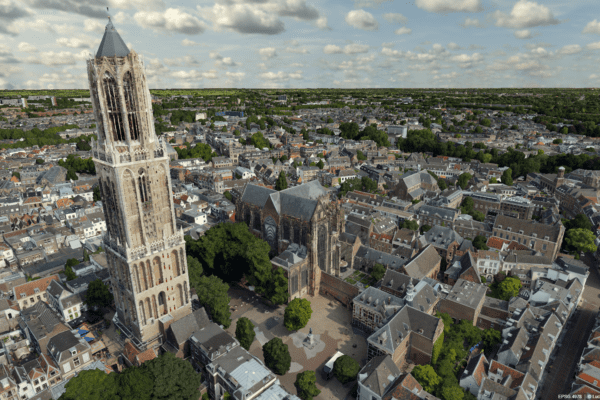
Visualization of 3D data as digital puzzle pieces that come together to form a complete digital reality.
Digital Twin

Digital Puzzle Pieces: Building Our Digital Reality

Reinier de Graaf demonstrates just how significant the difference between 2D and 3D still is, and why he expects this difference to disappear in the foreseeable future and give way to a viable Digital Reality.

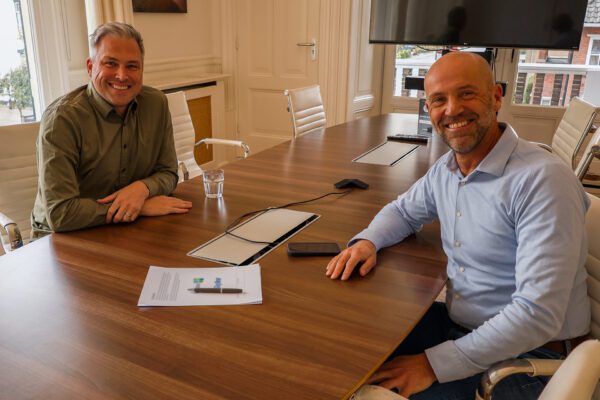
Rutger van Kan of Skyline and Eric-Jan van Alten of IMAGEM sign an agreement for a geospatial partnership
Digital Twin Remote Sensing

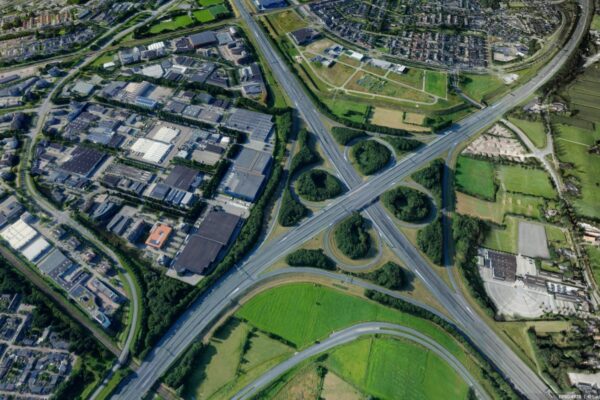
From drone data to actionable 3D insights

Fast and reliable information makes all the difference when it counts. Yet in practice, drone data often remains scattered across individual images, separate software steps, and fragmented workflows. IMAGEM and Skyline are changing that. Through an equal partnership, we combine data collection, 3D processing, centralized data management, and visualization into a single integrated workflow.

Digital twins help your municipality tackle complex issues
Digital Twin

A digital twin for all

Policy-making is a complex process due to fragmented data and time-consuming procedures. Digital twins a solution, but require specialized knowledge and technical expertise. IMAGEM technology, expertise, and a practical approach, making digital twins accessible and immediately usable for municipalities.

Two people celebrating milestones, one story. A joint interview with Niels and Syreetha

Two people celebrating anniversaries, one story

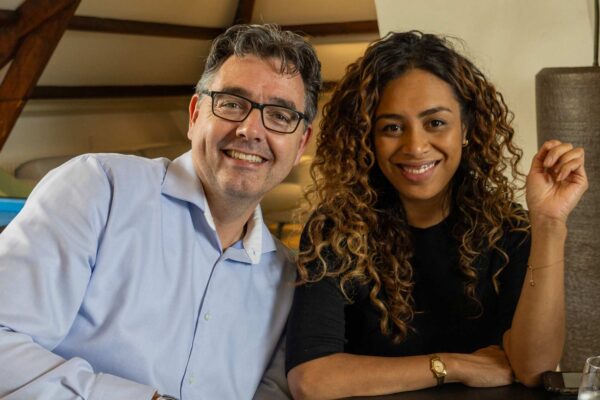
This year, two colleagues are celebrating special anniversaries at IMAGEM: Niels van de Graaf, Government Market Manager, has been with us for 10 years, and Syreetha Nuhuway, Operations Specialist and jack-of-all-trades, has been with the company for 5 years. This is a great opportunity to reflect on their work, their growth, and, above all, the people behind these roles.

The striking differences between geo-engines and game engines
Digital Twin

From Games to the Globe: How 3D Engines Are Conquering the World

3D technology is now being used for real-world applications: from smart cities to air traffic control. But how can an engine that was once designed to bring virtual worlds to life suddenly become crucial for large-scale geospatial projects? In this article, we explore the striking differences between geo-engines and game engines. Because when it comes to accuracy, scale, and reliability, a geo-engine like Luciad turns out to operate Luciad a completely different league.

Remote sensing water authorities
Remote Sensing

Harald & Tjip and How AI remote sensing Support remote sensing (E12)

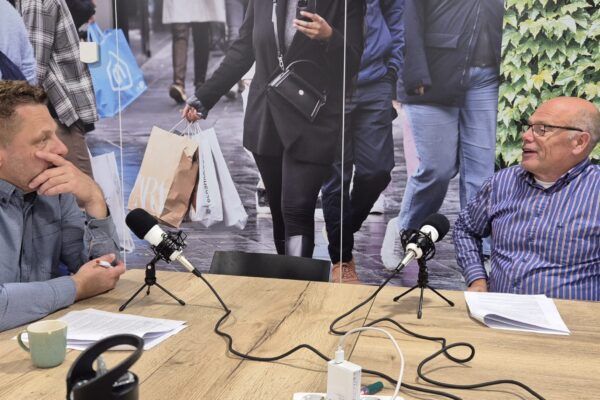
In the latest episode of the Geospeciale Podcast, Harald Gortz and Tjip van Dale discuss the rise of Agentic AI in remote sensing. Using relatable real-world examples—from timber deliveries to manure silos and waterways—they demonstrate how AI systems are becoming increasingly autonomous.

digital twin Podcast
Digital Twin

Niels & Stefan on digital twins Practice (E11)

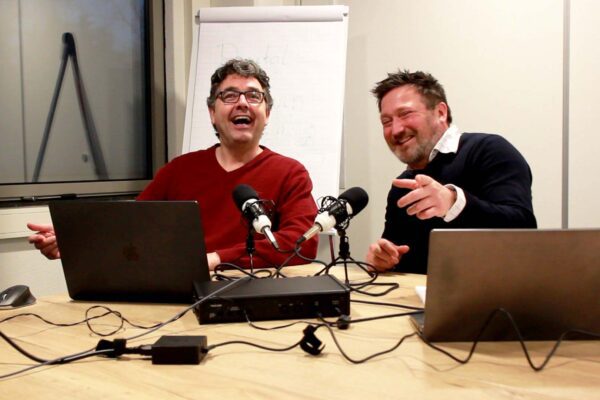
In the Geospecial podcast "To digital twin Not to digital twin ," Niels and Stefan digital twin what they encounter in practice. They explain how municipalities and government agencies are increasingly discovering how 3D models help not only to visualize plans but also to immediately assess them against policies, standards, and objectives. They also share current examples, insights, and technological developments related to digital twins.

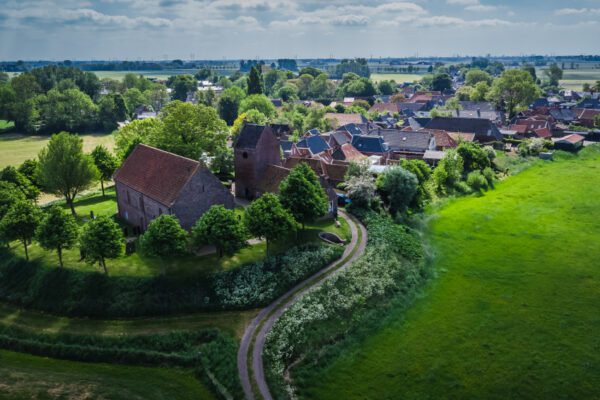
Remote sensing 4: Observe First, Then Visualize, in Ezinge
Remote Sensing

Remote sensing 4: First Observe, Then Visualize in Ezinge

Before we can visualize anything in a digital twin, we first need to understand what we’re actually looking at. Without that foundation, visualizations are nothing more than pretty pictures. In part four of the series, Harald takes a step back to the beginning: observation itself. Not just via satellites or drones, but also with our own eyes. Remote sensing with observation—knowing who is looking, why, and with what instrument. Only then can you combine data into information that is accurate, meaningful, and usable.