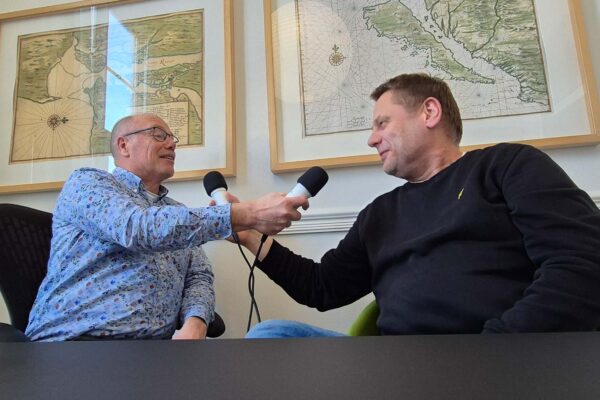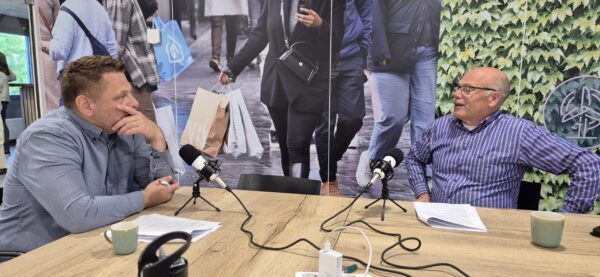

In the latest episode of theGeospeciale Podcast, Harald Gortz and Tjip van Dale discuss the rise of Agentic AI in remote sensing. Using relatable real-world examples—from timber deliveries to manure silos and waterways—they demonstrate how AI systems are operating with increasing autonomy. Central to their discussion is the OPRA cycle, which describes how AI agents observe, perceive, reason, and act. OPRA—Observe, Perceive, Reason, and Act—but how does it work?
Ready to get inspired and stay up to date in the world of remote sensing?
Press play and listen along!
OPRA & Agentic AI
In this podcast, we explore how the OPRA model is presented not only as a technical framework but also as a conceptual model for designing AI solutions. It helps structure the role of AI agents: from gathering data to making decisions and executing actions. The examples from the podcast show that Agentic AI is not a distant dream, but a practical reality. Whether it involvesmonitoring waterways, recognizing manure silos, or overseeing delivery processes, OPRA provides a clear framework for deploying AI systems effectively and responsibly.

Observe
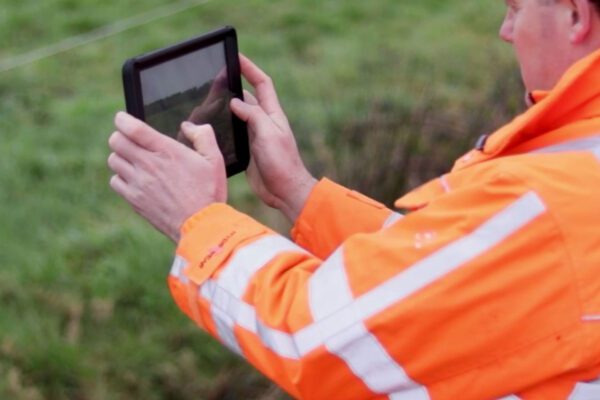
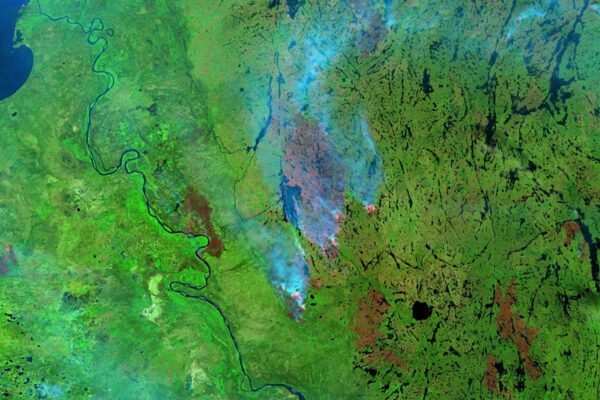
The podcast begins with an anecdote about a missed lumber delivery. Tjip describes how an AI agent could have helped by monitoring emails, scheduling systems, and delivery data. This is the Observe component of OPRA: collecting data from various sources, such as sensors, satellite imagery, or even emails. In spatial applications, this means, for example, collecting sensor data such as multispectral images.

Perceive
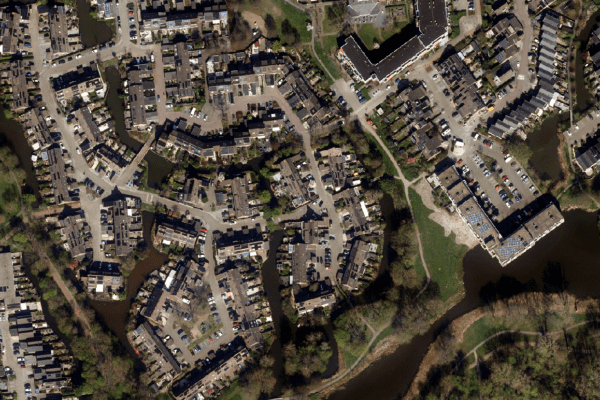
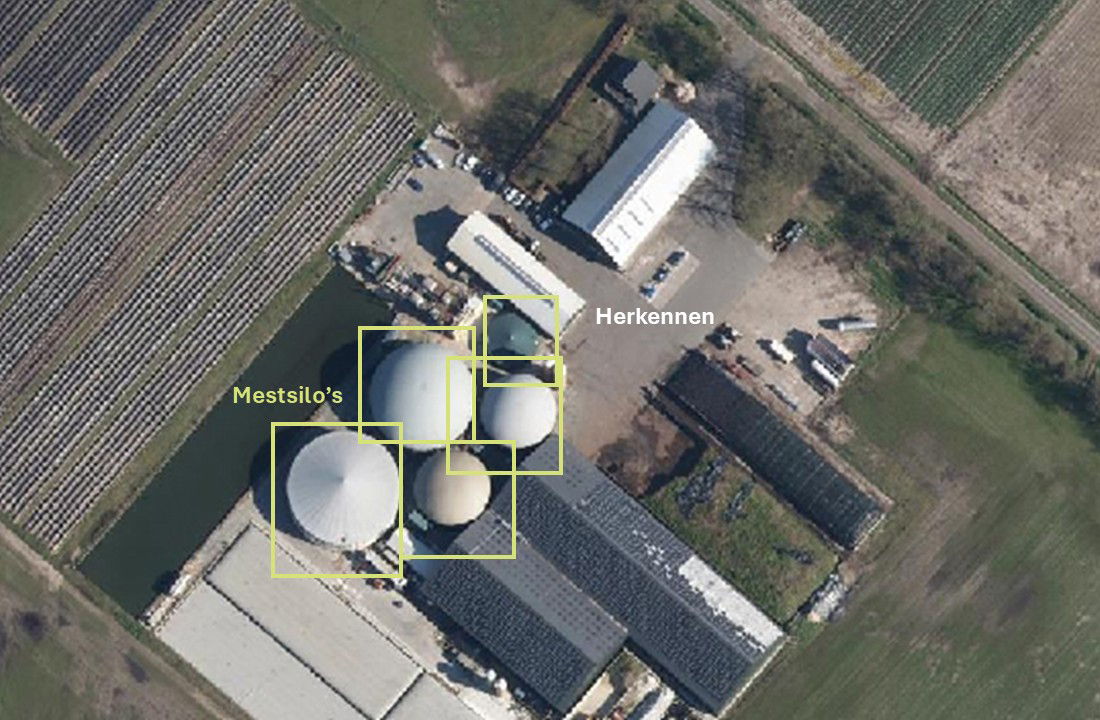
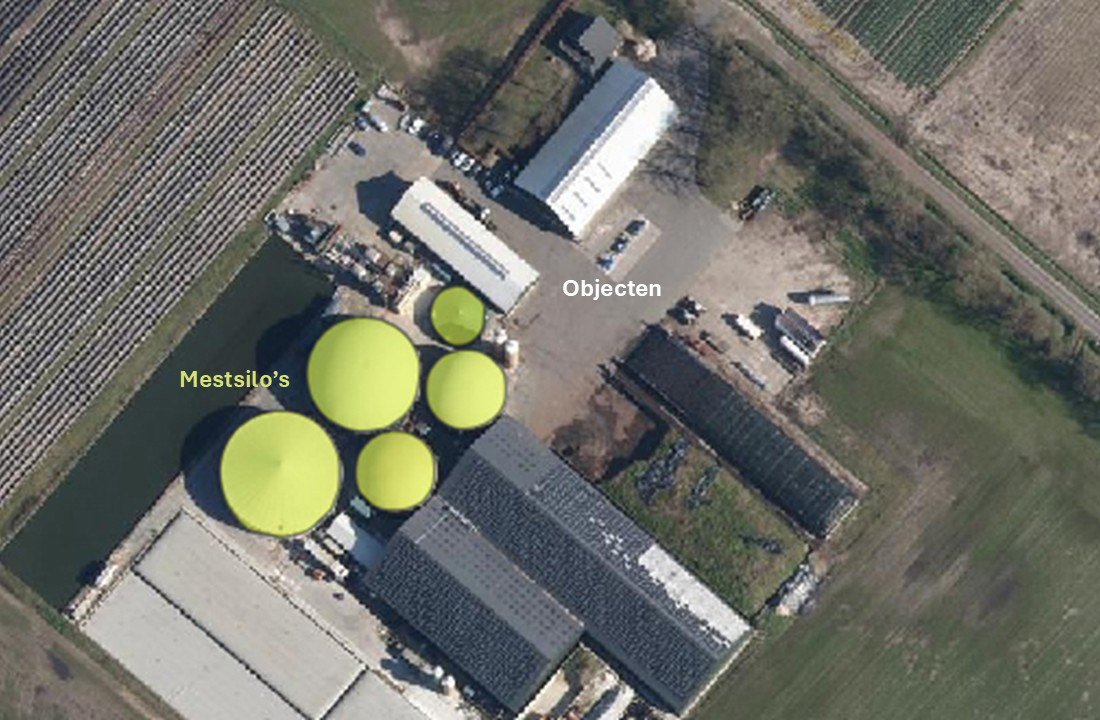
Next up is Perceive: AI’s ability to interpret that data. The podcast illustrates this using semantic segmentation* of images, in which AI independently identifies manure silos in aerial photos. The system understands what it sees and links that to relevant object characteristics, such as shape, height, and location.

Reasoning
Reasoning is where true intelligence begins. Harald and Tjip discuss how AI can use policy rules and contextual information to determine whether a manure silo is located too close to a waterway. The agent retrieves rules from documents or databases and applies them to the objects it identifies. This is geospatial reasoning: spatial logic applied to complex situations.

Act
Finally, we’ll discuss Act. The AI agent takes action: for example, filling out a dashboard, sending a warning (via email), or even initiating an enforcement process. In the example of the manure silo, this means that the system automatically generates a notification for the permitting authority or enforcement officer. The agent can even anticipate capacity issues and suggest alternatives.
This podcast offers an inspiring look at how AI is taking on more and more tasks and optimizing processes, with humans serving as the directors of these intelligent systems.
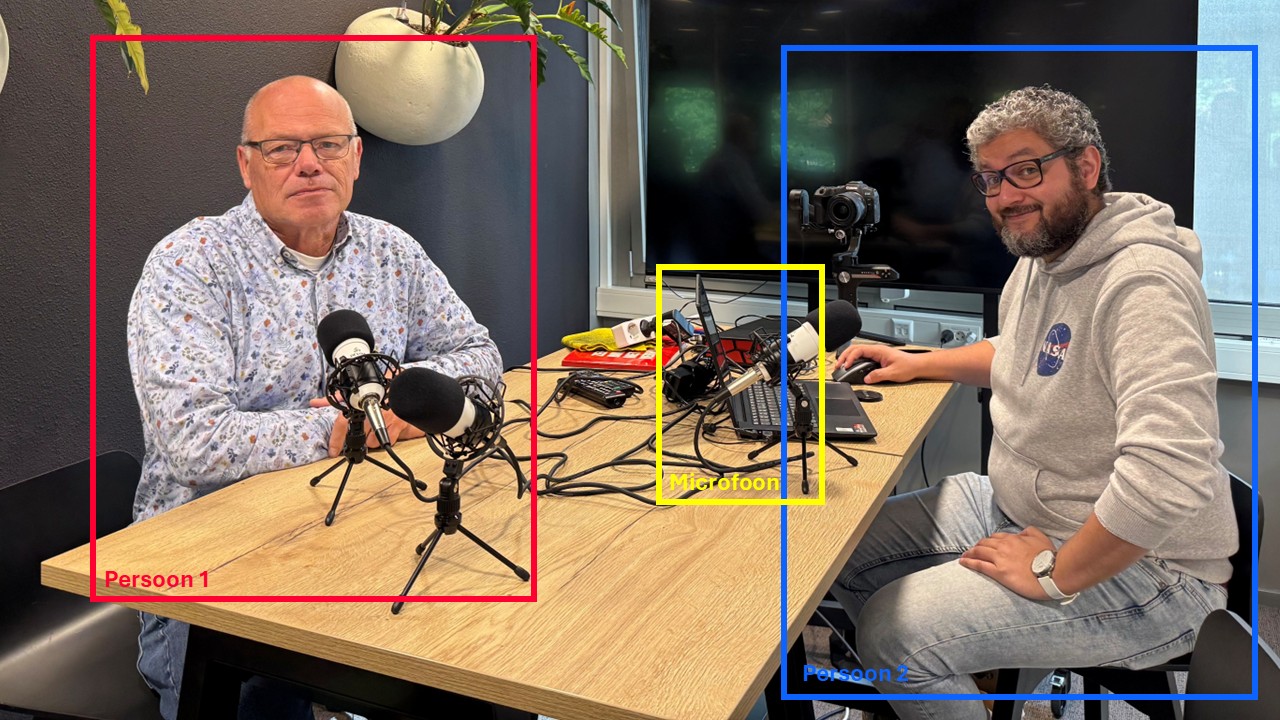
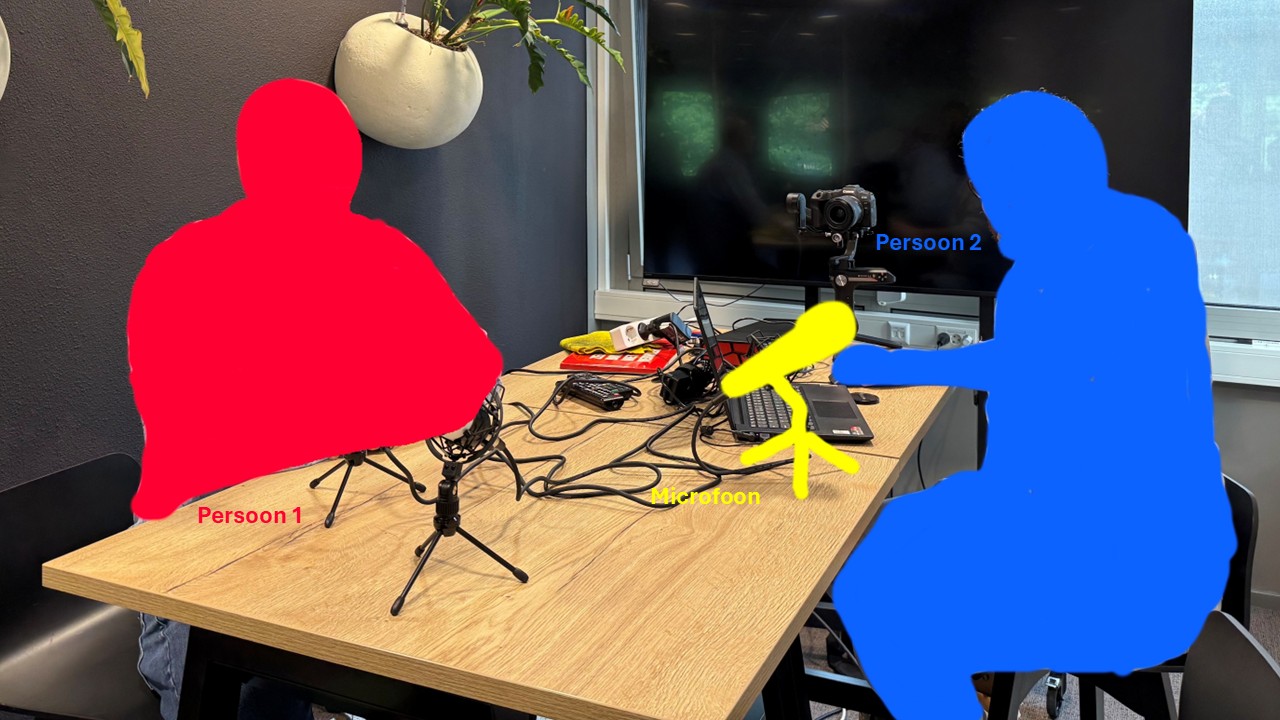
* Semantic segmentation is a technique in artificial intelligence (AI) and computer vision in which every pixel in an image is classified. The goal is not only to recognize objects, but also to understand what they are and where they are located. An image is divided into regions that correspond to meaningful structures such as buildings, roads, trees, or water. Each pixel is assigned a label, such as “tree,” “road,” or “manure silo.” This creates a detailed map of the image in which the content is semantically understood.
Take a look at the example below, in which parts of the podcast setting have been dynamically segmented.
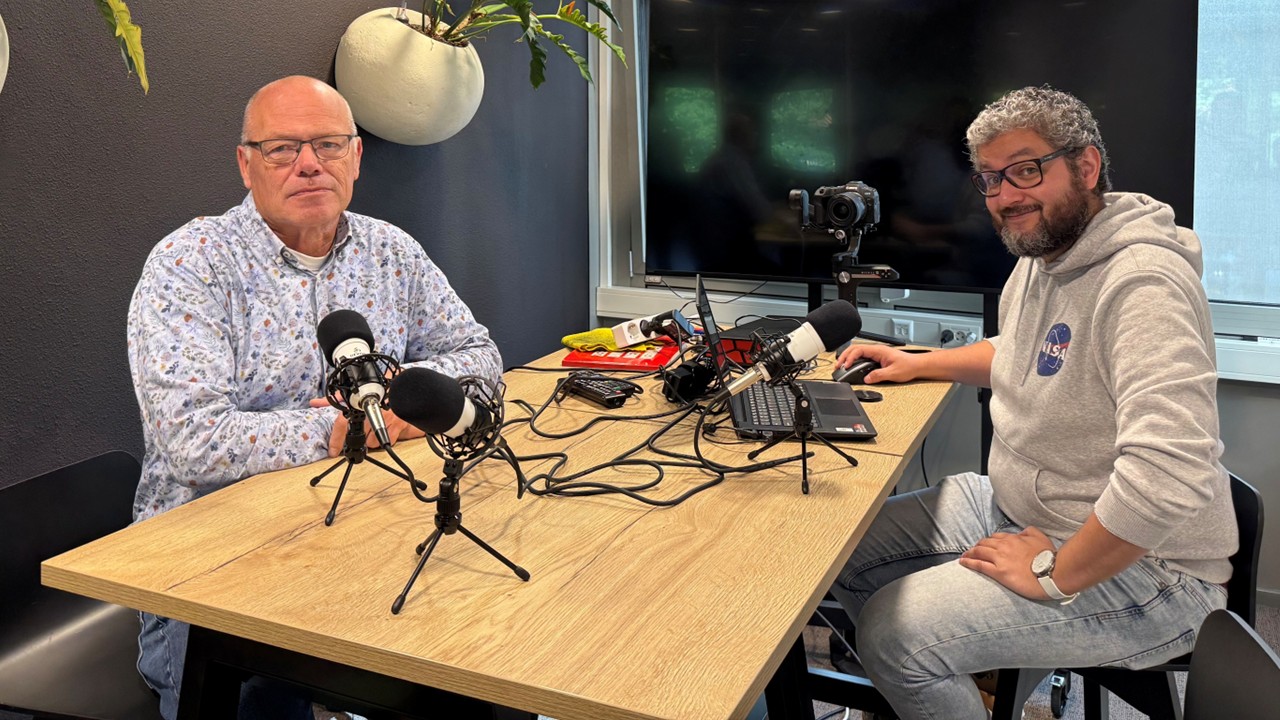
An episode packed with inspiration, practical tips, and innovations that show why now is the time to get started with agentic AI.
Do you have a question for the next podcast?Send it toimagem
Want to know more?
Would you like to learn more about this topic? Send Tjip or Harald an email atimagem orimagem, or send us a message via our contact form.

Tjip van Dale
Business Consultant

Harald Görtz
Business Consultant
Have questions or want to get started together?
Please call or leave your contact information, and we will get in touch with you.