News

Filter options

Use the buttons to filter the list of results. The list is updated automatically.

Filter by solution
Filter by theme
Select a filter to narrow down the results. The page will refresh automatically.
Digital twins help your municipality tackle complex issues
Digital Twin

A digital twin for all

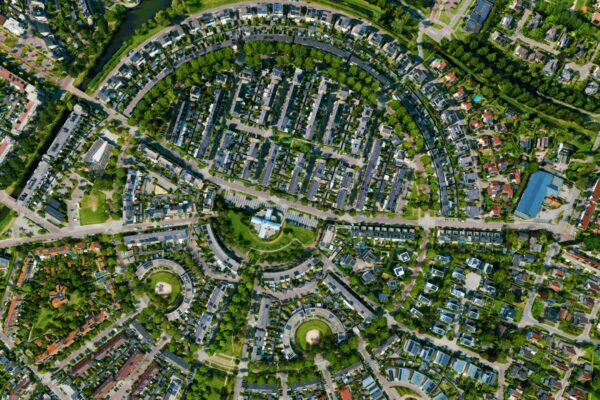
Policy-making is a complex process due to fragmented data and time-consuming procedures. Digital twins a solution, but require specialized knowledge and technical expertise. IMAGEM technology, expertise, and a practical approach, making digital twins accessible and immediately usable for municipalities.

The striking differences between geo-engines and game engines
Digital Twin

From Games to the Globe: How 3D Engines Are Conquering the World

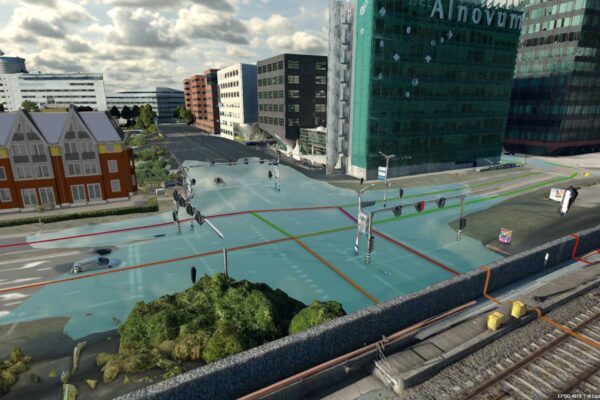
3D technology is now being used for real-world applications: from smart cities to air traffic control. But how can an engine that was once designed to bring virtual worlds to life suddenly become crucial for large-scale geospatial projects? In this article, we explore the striking differences between geo-engines and game engines. Because when it comes to accuracy, scale, and reliability, a geo-engine like Luciad turns out to operate Luciad a completely different league.

Remote sensing 4: Observe First, Then Visualize, in Ezinge
Remote Sensing

Remote sensing 4: First Observe, Then Visualize in Ezinge

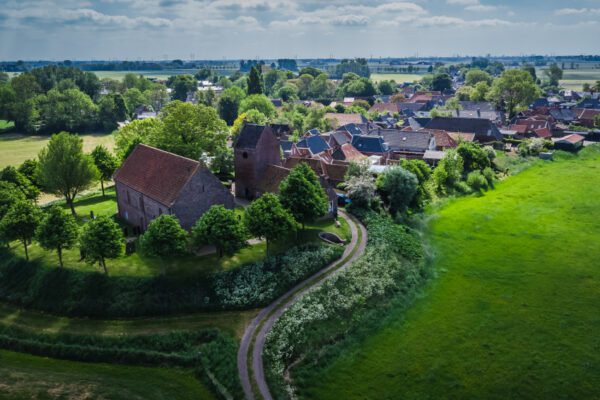
Before we can visualize anything in a digital twin, we first need to understand what we’re actually looking at. Without that foundation, visualizations are nothing more than pretty pictures. In part four of the series, Harald takes a step back to the beginning: observation itself. Not just via satellites or drones, but also with our own eyes. Remote sensing with observation—knowing who is looking, why, and with what instrument. Only then can you combine data into information that is accurate, meaningful, and usable.

Remote sensing of flood damage in Valencia
Remote Sensing

Mapping mudflows using a single satellite image

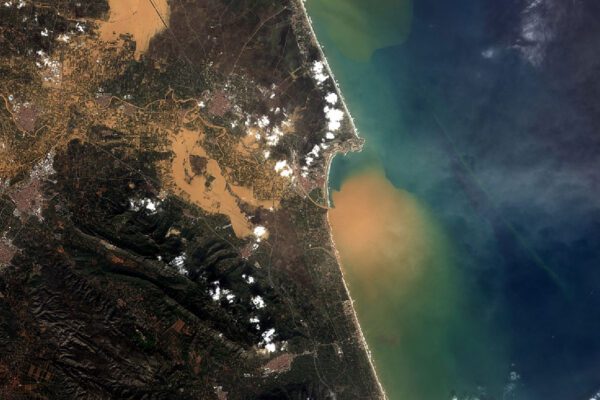
Severe mudslides struck the Valencia region. But how do you analyze a disaster area like this if you don’t have pre-flood imagery? Read how we developed a smart and fast analysis method using satellite data, the Flood Mud Index (FMI), and advanced image processing in ERDAS .

IMAGEM New CEO, IMAGEM van Alten

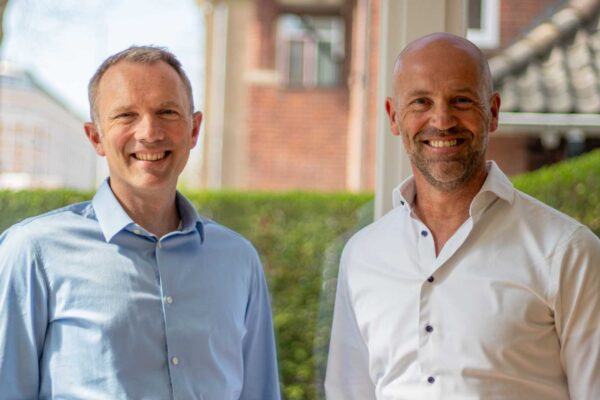
Meet our new CEO: An in-depth interview with Eric-Jan van Alten

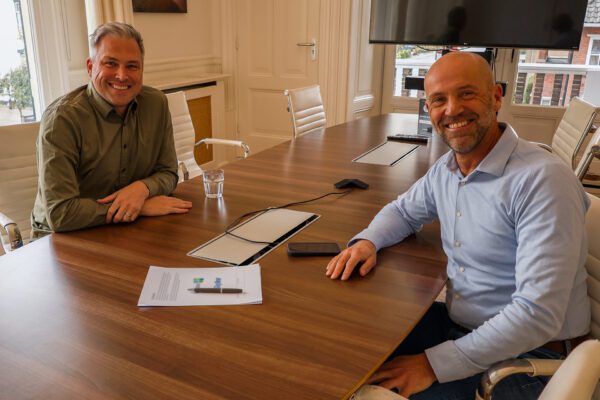
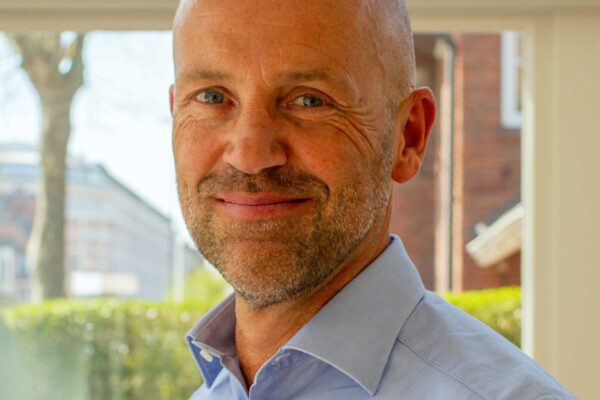
Founder Wouter Brokx has handed IMAGEM the day-to-day management of IMAGEM to Eric-Jan van Alten. Eric-Jan has now taken on the role of CEO and has gained his first impressions. With over fifteen years of experience in scaling organizations and products, he brings new energy and a fresh perspective. But who is he, really? What drives him? And how does he view the future of IMAGEM?

Leadership Change at IMAGEM: Wouter Brokx and Eric-Jan van Alten

Change in leadership at IMAGEM

After more than twenty years at the helm of IMAGEM, founder Wouter Brokx is handing over day-to-day management to Eric-Jan van Alten. Wouter will remain actively involved and will focus entirely on innovation, strategy, and product development. This transition aligns with the phase the company is currently in: mature, growing, and full of ambition to tackle societal challenges with in-depth domain expertise, powerful technology, and a proven approach.

Digital Twin

2D or 3D? The right choice for your municipality

2D maps provide an overview, but lack context. How tall is a building? Does a transformer station obstruct traffic or the view? How does water flow through the city? What does the world ‘really’ look like? 3D and digital twins that missing dimension and dynamic interaction. This gives you better insight, allows you to simulate effects, and helps you make smarter choices. But 2D remains valuable, of course. The power lies in the combination. Read how you can use these technologies together to create a more efficient and future-proof municipality.

Digital Twin

IMAGEM Dutch Metropolitan Innovations (DMI)

IMAGEM is proud IMAGEM Dutch Metropolitan Innovations (DMI), the partnership of government agencies, businesses, and research institutions dedicated to creating sustainable, livable cities. With our Planspace and digital twin, we connect fragmented data, simulate scenarios, and accelerate decision-making. We bring this expertise to the DMI ecosystem to help municipalities make faster and better-informed choices for the cities of tomorrow.

Digital twin photogrammetry Koekoekspolder Planspace simulator
Digital Twin

From drone photo to digital twin

Whereas in the past, methods for creating 3D models were slow, expensive, and complex, it is now possible to generate realistic and detailed 3D models—meshes or shape models—in just a few minutes. The use of drones and smart software, in particular, makes all the difference. All this for a fraction of the time, cost, and effort. 

Geodata Reveals Remote Sensing's Forgotten History
Remote Sensing

Geodata reveals forgotten history: the mystery of the old ditch

The CABR opened on January 2, 2025. NOS reporter Lex Runderkamp is investigating this wartime history; with the help of our geodata specialist Harald Gortz, among others, aerial photographs and modern data were used in the investigation to reveal historical sites.

Remote Sensing

Remote Sensing 3: Detecting and Monitoring Green Roofs in Ezinge

Satellite data makes it easy to identify the most suitable locations for green roofs. It also allows you to monitor the condition of the roofs. Green roofs help mitigate flooding caused by heavy rainfall. It’s a great way to make your municipality more climate-resilient without having to climb onto the roof yourself.

Digital Twin

Digital Twins: IMAGEM the Key to Improved Collaboration

The challenges facing the government have become more complex in recent years. But how can we ensure that these departments can truly work together effectively and that a single, clear course is set? This digital twin the power of a digital twin comes digital twin play.