News

Filter options

Use the buttons to filter the list of results. The list is updated automatically.

Filter by solution
Filter by theme
Select a filter to narrow down the results. The page will refresh automatically.
Digital twin photogrammetry Koekoekspolder Planspace simulator
Digital Twin

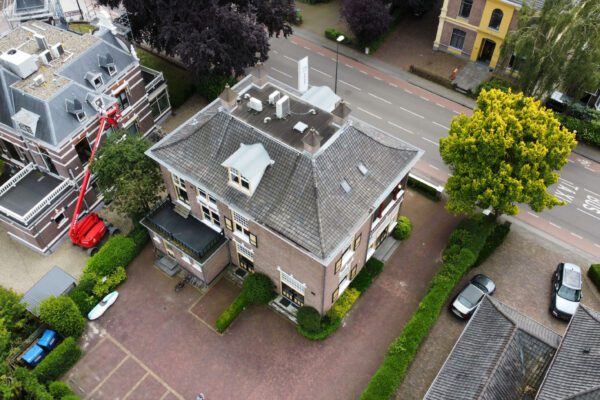
From drone photo to digital twin

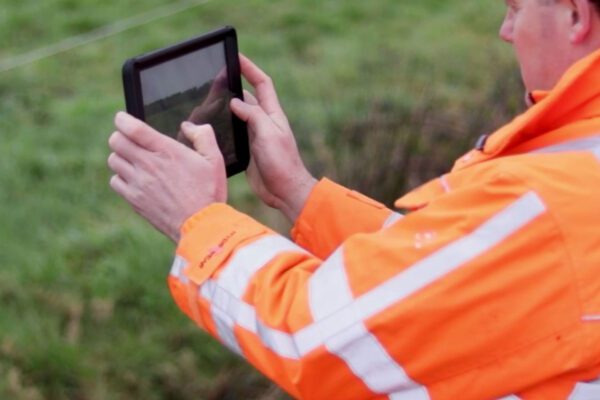
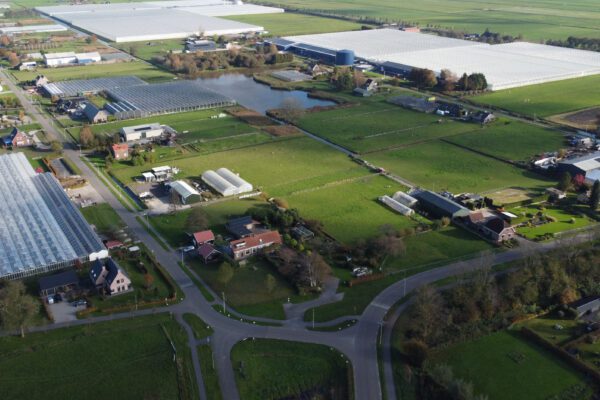
Whereas in the past, methods for creating 3D models were slow, expensive, and complex, it is now possible to generate realistic and detailed 3D models—meshes or shape models—in just a few minutes. The use of drones and smart software, in particular, makes all the difference. All this for a fraction of the time, cost, and effort. 
Geodata Reveals Remote Sensing's Forgotten History
Remote Sensing

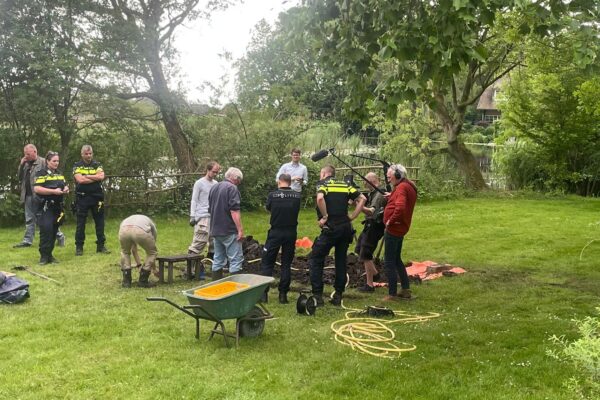
Geodata reveals forgotten history: the mystery of the old ditch

The CABR opened on January 2, 2025. NOS reporter Lex Runderkamp is investigating this wartime history; with the help of our geodata specialist Harald Gortz, among others, aerial photographs and modern data were used in the investigation to reveal historical sites.

Remote Sensing

Remote Sensing 3: Detecting and Monitoring Green Roofs in Ezinge

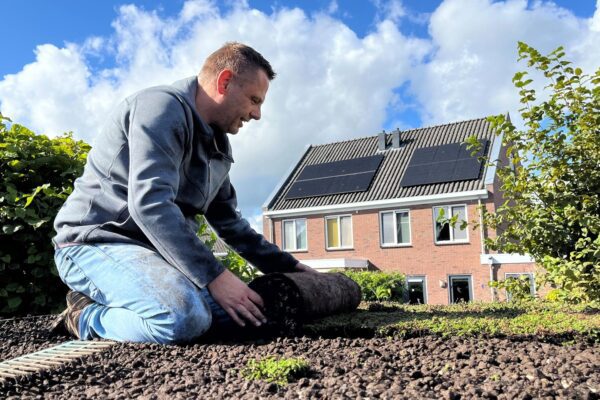
Satellite data makes it easy to identify the most suitable locations for green roofs. It also allows you to monitor the condition of the roofs. Green roofs help mitigate flooding caused by heavy rainfall. It’s a great way to make your municipality more climate-resilient without having to climb onto the roof yourself.

Digital Twin

Digital Twins: IMAGEM the Key to Improved Collaboration

The challenges facing the government have become more complex in recent years. But how can we ensure that these departments can truly work together effectively and that a single, clear course is set? This digital twin the power of a digital twin comes digital twin play.

Remote Sensing

Remote Sensing 2: Green Roofs in Ezinge

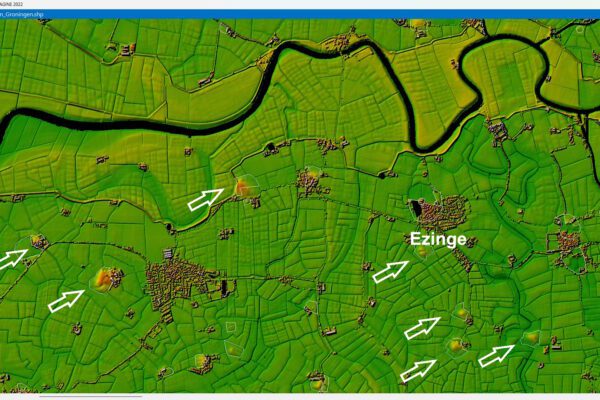
Flooding can have significant consequences for both urban and rural areas. Using remote sensing and data science, we can accurately determine where flooding is likely to occur. An elevation map, such as a Digital Elevation Model (DEM), provides valuable insights into water flows and potential risk zones.

Remote Sensing

Remote Sensing 1: Flooding in Ezinge

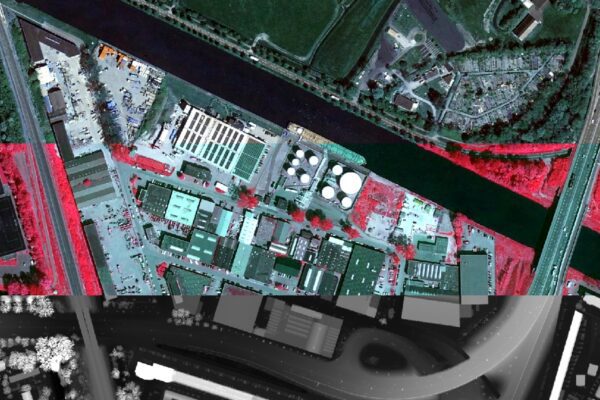
Using Remote Sensing geographic data, we can not only look back at the past but also map current issues such as flooding and heat stress. By combining historical and current data, we can even make targeted predictions and work toward sustainable solutions for the future.

Digital Twin

Converting Drone Photography to 3D in Planspace Simulator: A Step-by-Step Guide

Our latest tool, Planspace Simulator, lets you convert drone imagery into an impressive 3D mesh in just 15 minutes and digital twin it in your digital twin . Here are five simple steps to try it out for yourself.

Policy-aware digital twin

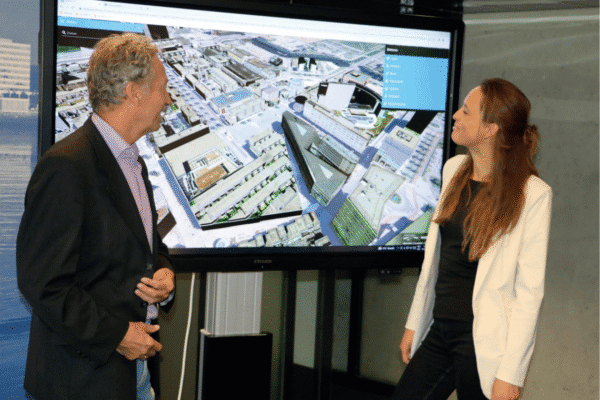
Almere is testing a pilot project with the "magical" Planspace app

The city of Almere is testing the innovative Planspace in a pilot program. This user-friendly tool visualizes plans and scenarios, providing clarity and fostering collaboration and participation.

Remote Sensing

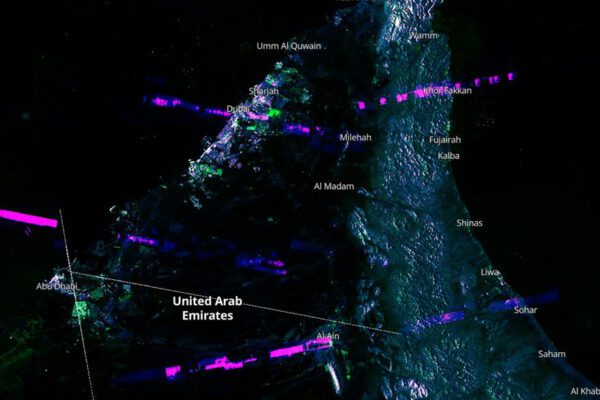
You can run, but you can’t hide!

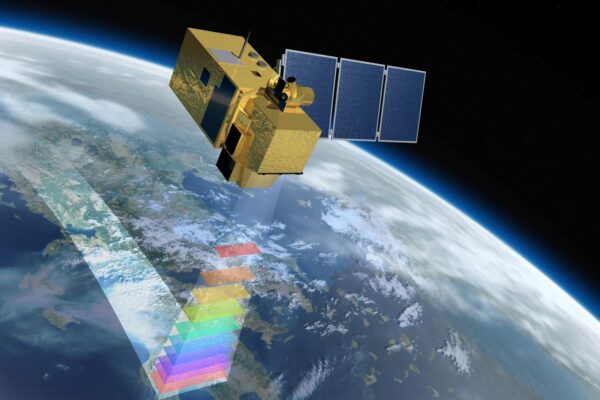
In this blog, you’ll learn how remote sensing is becoming increasingly powerful. From satellites to sensors, new developments make it possible to accurately monitor changes in the environment and provide better evidence to support our findings.

Digital Twin

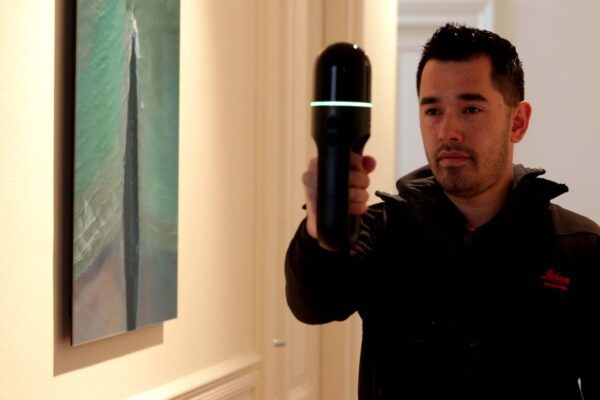
Digital Twin BLK2Go Handheld Scanner

IMAGEM , in collaboration with Leica Geosystems, IMAGEM a solution that uses the BLK2GO handheld scanner to integrate true-to-life and accurate images into a digital twin. The scanner can capture the entire interior and exterior of a building, for example, in just a few minutes. We demonstrate this in the video below...

Remote Sensing

WDODelta publishes the water authority's first algorithm

The WDODelta Water Authority is taking an important step by publishing its first algorithm. In this blog, you’ll learn how transparency, data, and technology come together to help stakeholders make more informed decisions and build trust.

Remote Sensing

There has to be a difference!

This blog explains why identifying differences is essential in analysis and monitoring. remote sensing it easier to detect and compare changes and to better understand what is happening in the environment.